

Simple Fixes That Stop Big Problems
This scenario happens more often than you think: running late, juggling too much, and then… bam! The car sputters, flashes a warning light, or just stops moving. Most breakdowns don’t announce themselves with a bang. They creep in, quiet and avoidable. The worst part? Many of them are the result of simple oversights. So if we’re heading into 2026 with fresh goals and tighter schedules, there’s no better time to fine-tune how we treat our vehicles. Because let’s be honest, nobody penciled in “wait for a tow truck” on their weekly planner. Making your car last isn’t about becoming a mechanic. It’s about catching the little things before they snowball. As a crew who spends their days helping stranded drivers with I-95 roadside assistance, we’ve seen the patterns. And we’ve got a few ideas to keep you on the road, not stuck beside it.
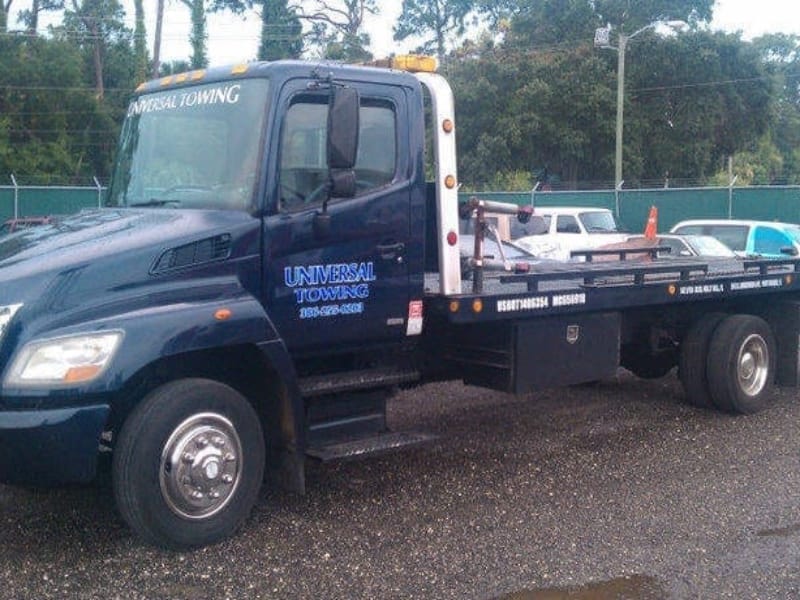
Dead Batteries and How to Dodge Them
Battery trouble leads the pack in roadside calls. They die quietly, often at the most inconvenient moments: early morning shifts, late-night grocery runs, school pickups. The solution? Keep an eye on the age of your battery. Three years is the tipping point where most start to weaken.
Also, don’t ignore the signs: slower cranking, flickering lights, or a dashboard that throws random warnings like confetti. Cold snaps are especially brutal on tired batteries, so check it before the weather turns.
Tire Troubles You Can Prevent
Tires are your car’s only contact with the road, but they’re easy to ignore. Until one goes flat. We recommend doing a quick check every few weeks. Look for uneven wear, bulges, or anything shiny stuck in the tread. And don’t forget the spare. We can’t count how many I-95 roadside assistance calls we get because someone had a flat and then discovered their spare was flat too.
Invest in a simple pressure gauge. Keep it in the glove box and check levels monthly. Your tires and wallet will thank you.
Fluids: The Lifeblood of Your Vehicle
Modern cars are good at hiding their needs. But low oil or coolant can wreck an engine fast. Check your oil monthly and top off your washer fluid while you’re at it. Keep an eye out for leaks in your driveway or garage. They’re your car’s way of crying for help.
Don’t forget transmission and brake fluid. These aren’t topped off as often, but if they’re low, something’s wrong. A once-a-year inspection can catch the issue before it gets expensive—or dangerous.
When Dash Lights Mean “Don’t Wait”
It’s tempting to ignore warning lights. Maybe they flash, then disappear. Maybe the car seems fine. But they’re there for a reason. Engine lights, oil pressure alerts, and overheating warnings aren’t suggestions, they’re early cries for help.
If a light sticks around for more than a day, get it checked. A cheap fix today is better than an engine replacement next month. Most auto parts stores will scan your codes for free, giving you a starting point.
What We See Most on the Road
We’ve helped with plenty of I-95 roadside assistance calls, and we’ve noticed some trends. These are the five most common reasons people end up calling us:
- Dead or weak batteries (especially in cold or hot weather)
- Flat tires (or multiple flats with no spare)
- Locked keys inside the car (yes, it still happens. Daily)
- Running out of fuel (surprisingly frequent)
- Overheating due to low coolant or failed thermostats
Avoiding these doesn’t take much, just a few new habits and a quick check now and then.
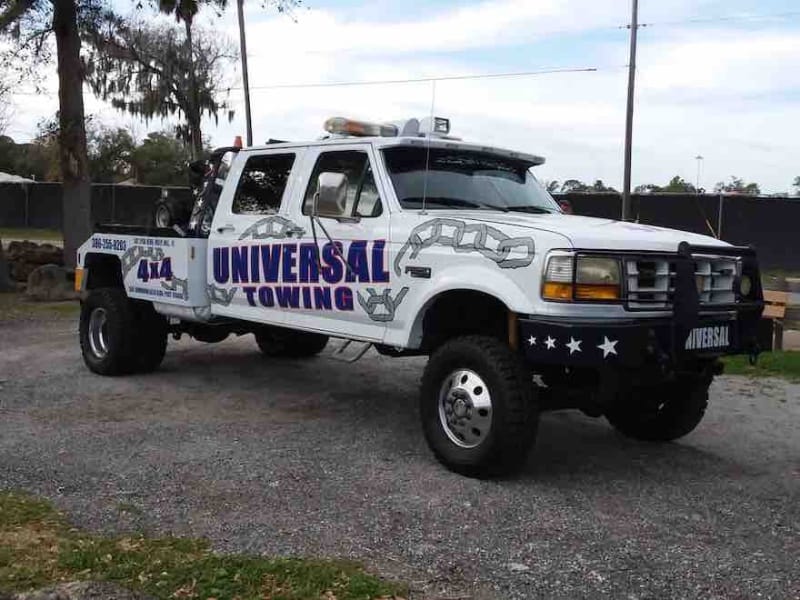
Universal Towing Keeps I-95 Roadside Assistance Simple
At Universal Towing, we’ve made a name for ourselves by showing up when it counts. Our I-95 roadside assistance crews handle everything from battery boosts to tire swaps, fuel delivery, and lockouts. Our I-95 roadside assistance solves problems fast and get drivers moving again.
Need help now? We’re local, quick, and ready around the clock. When your car has other plans, you don’t need to stress. Just give us a call and we’ll handle the rest.
We’re proud to serve the community with I-95 roadside assistance that’s reliable, friendly, and fast. And while we’re always here when things go sideways, we’d much rather help you avoid the breakdown in the first place.
Make 2026 the year you stay in the driver’s seat. Keep your car happy, and the road will take you wherever you want to go.
FAQ
What should I keep in my car for emergency situations?
Every driver should carry jumper cables, a flashlight, a basic tool kit, a tire pressure gauge, a first aid kit, water, and a phone charger. Cold weather gear and a reflective triangle also help during breakdowns.
How often should I check my vehicle for signs of trouble?
A monthly once-over is enough for most vehicles. Look at tires, fluid levels, battery condition, and dashboard alerts. For long trips, check again the day before you travel.
Why does my car battery die if I don’t drive often?
Modern cars use power even when turned off. If your car sits for long periods, the battery may slowly drain. Driving it once a week or using a battery maintainer can prevent this.
Can I drive with my check engine light on?
If the light is steady and the car runs normally, it’s usually safe for a short trip to a mechanic. But if it flashes, stop driving. Flashing lights often signal serious engine misfires.
What happens if I ignore unusual car noises?
Most noises don’t fix themselves. Squealing, grinding, or knocking sounds often mean worn-out parts or fluid problems. Early diagnosis can prevent more expensive repairs.
Is it bad to run the gas tank near empty?
Yes. Running low can overwork the fuel pump and stir up debris in the tank. Keeping at least a quarter tank can extend fuel system life and reduce breakdown risk.