

Minute One Starts With People
The moments after a collision can feel disorienting. Traffic is still moving, adrenaline is high, and several decisions suddenly compete for your attention. If the crash eventually requires Glencoe accident recovery, the information you gather during these first few minutes can also help responders understand the scene before they arrive.
Start by checking yourself and your passengers for injuries, then call 911 if anyone needs medical attention or the crash creates an immediate roadway hazard. Do not step into moving traffic to inspect damage. If your vehicle is in a dangerous position, follow instructions from emergency personnel about moving it. Your priority is getting people out of immediate danger before dealing with insurance, towing, or photographs.
Minutes Two Through Five Are About Creating a Record
Once the immediate danger has passed, begin documenting what happened from a secure location. Take photos of the damage, road conditions, license plates, traffic signs, and the positions of the vehicles if doing so does not expose you to traffic. Exchange contact and insurance information with the other driver without debating who caused the crash.
Use the next few minutes to collect the details that are easy to forget later:
- Exact location or nearest intersection
- Names and contact information for involved drivers
- Insurance and vehicle details
- Photos of visible damage
- Police report or incident number, if available
- Contact information for witnesses
- Notes about road, traffic, and weather conditions
This information can help with insurance claims and give a towing dispatcher a clearer description of the situation. Keep your account factual and avoid guessing about mechanical damage you cannot see.
Minutes Six Through Ten Help Set Up the Next Move
By this point, you may know whether the car can leave under its own power. If steering, wheels, suspension, lights, or other components appear damaged, arranging collision recovery in Glencoe may be more appropriate than attempting to drive away. A provider handling vehicle recovery around Glencoe will want to know where the car is located, how badly it appears damaged, and if it is blocking traffic or sitting off the roadway.
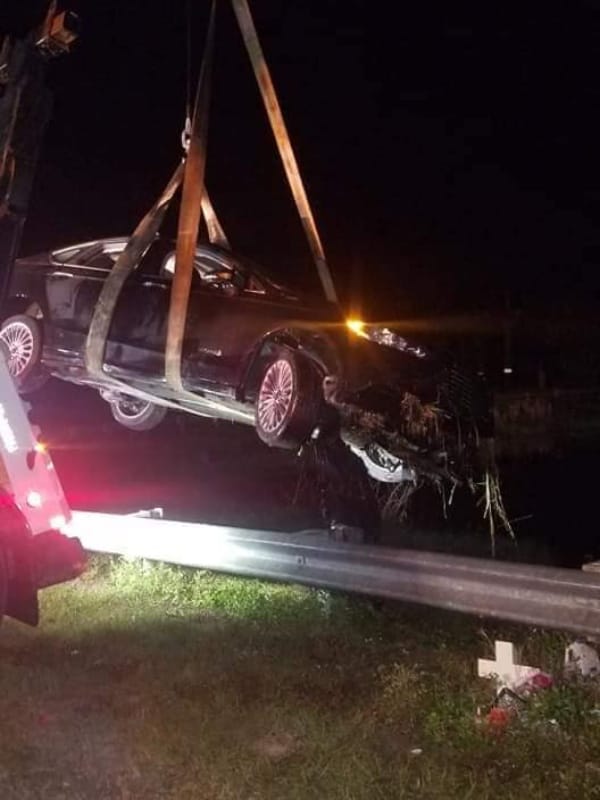
The scene can still change while you wait. Police may reposition vehicles, traffic patterns may shift, or additional damage may become visible. Keeping the towing company updated can help with post-accident towing in Glencoe, especially if access changes after the first call. Drivers seeking roadside accident recovery near Glencoe should also tell dispatch about unusual circumstances such as a ditch, embankment, damaged wheel, or vehicle resting somewhere difficult to reach.
Universal Towing Delivers Top Accident Recovery in the Glencoe Area
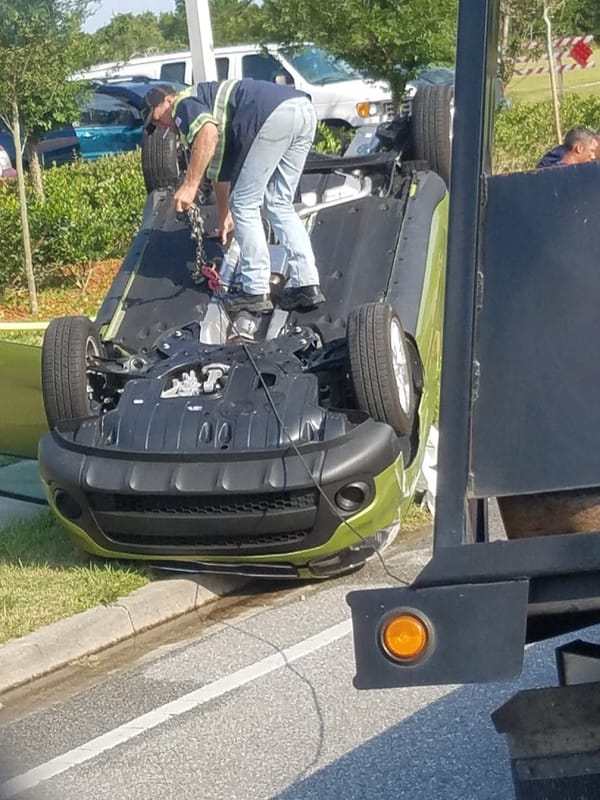
Universal Towing has served Central Florida drivers for more than two decades. Our work includes light, medium, and heavy-duty towing, motorcycle transport, custom and specialty vehicle towing, heavy hauling, and recovery. We also maintain longstanding relationships with law enforcement and public-service organizations throughout the region. For motorists who need local accident recovery in Glencoe, our dispatch and towing teams can respond around the clock.
Our recovery work ranges from ordinary collision scenes to more involved off-road and underwater retrievals, and our team receives ongoing training for the work it performs. Universal Towing is also a preferred towing provider for organizations including the Florida Highway Patrol, Volusia County Sheriff’s Department, several municipal police departments, the United States Postal Service, and Florida Power & Light. Drivers looking for Glencoe crash recovery services can contact us when an accident leaves a vehicle unable to continue its trip.
FAQs
Should I call my insurance company from the accident scene?
You can, but emergency needs come first. Once the scene is stable, contact your insurer and follow its instructions for reporting the collision.
What if the other driver refuses to exchange information?
Do not argue. Give the police any information you have, including the license plate number and a description of the other vehicle.
Can I choose which towing company takes my car?
In many situations, yes. Rules can vary if police order the tow or if the car is creating an immediate hazard, so ask the responding officer what options are available.
Should I remove valuables before my car is towed?
If you can access the car without putting yourself at risk, take important personal items with you. This can include identification, medication, electronics, and house keys.
What should I do if my car looks drivable after the crash?
Visible damage does not always reveal steering, suspension, tire, or fluid problems. If you are unsure, have the car checked before driving it away.
Where does a car go after it is towed from an accident?
It may go to a repair shop, storage yard, or another approved destination. Police instructions, insurance requirements, and your own preference can influence where it is taken.