

A Forecast Pinned to the Wall
Walk into a heavy haul dispatch office in Central Florida any morning between June and November, and you will find at least one screen open to the National Hurricane Center. The route map shares wall space with a printed list of tropical storm cones, and somewhere a coordinator is asking about an oversize load that needs to clear Daytona by Friday. An I-95 heavy transport job along the Florida stretch of the corridor follows the same playbook as a haul anywhere else in the country. And the weather and the tourist calendar both press their thumbs on the plan.
The Florida portion of I-95 carries an unusual mix of traffic. Snowbird convoys, freight runs to the Port of Jacksonville, race-week crowds, and spring break travelers all share the road. Planners build around these realities as much as around weight and width.
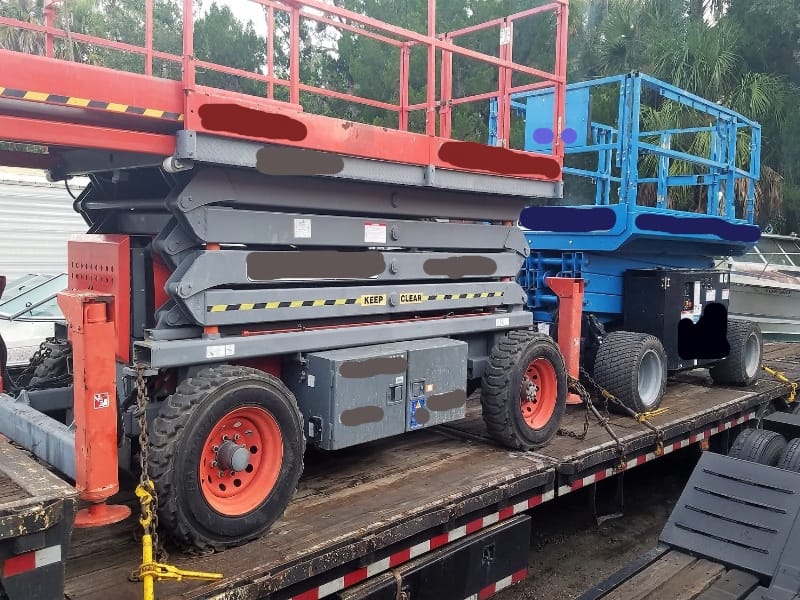
Hurricane Season Math
Between June and November, every heavy haul in Florida runs against the chance of a tropical storm. Planners watch the National Hurricane Center’s seven-day outlook, the five-day cones, and the spaghetti models that show where a storm might land. A load scheduled for the week of a forecasted landfall usually gets moved earlier or held until after the storm clears.
The state DOT may also restrict heavy haul travel during evacuations, when southbound or northbound lanes get reversed to move people out. Carriers running the corridor in season build buffer days into the schedule and confirm with the customer that flexibility is part of the agreement.
Tourist Calendar Routing
Florida’s tourist seasons drive traffic patterns that affect heavy haul timing. Bike Week, Spring Break, the Daytona 500, and major college football weekends all push Central Florida traffic to peak levels. An oversize haul trying to cross Daytona Beach during Bike Week can find itself crawling for hours, even with a permit in hand.
Planners pull a calendar of major events for every Florida county along the route, then schedule heavy hauls to avoid those weekends when possible. The customer who hears “we should move this two weeks earlier” usually gets cleaner results than the one who insists on the original date.
Heat, Humidity, and Asphalt
Florida’s heat is not as extreme as the Southwest desert, but the humidity adds its own challenges.
Heavy haul rigs need a few extra checks on hot, muggy days:
- Engine coolant and fan operation, since cooling efficiency drops when the air is already wet
- Brake adjustment, because brake pads behave differently in high humidity
- Tire pressure, which rises faster on long, hot stretches than in cooler climates
- Tarp condition on covered loads, since salt air and humidity break tarp materials down
- Driver hydration, which is not optional in a Florida summer cab
Florida’s afternoon thunderstorms are part of the timing math too. Most I-95 heavy transport plans aim to clear major bridges and metro areas before the typical 3 p.m. storm window.
Coastal Crossings and Bridges
The Florida portion of I-95 runs along the coast, with rivers and intracoastal waterways cutting across at regular intervals. Drawbridges and high-rise span bridges create restrictions for oversize loads. An I-95 heavy transport with a tall cargo may need to route around certain crossings or schedule the trip for hours when drawbridge openings are restricted.
Wind also matters on coastal bridges. Sea breeze gusts pick up in the afternoon along the Atlantic, and bridge crossings often carry posted wind warnings for high-sided loads. An I-95 heavy transport carrying a tall load may need to wait for calmer hours before tackling a long span.
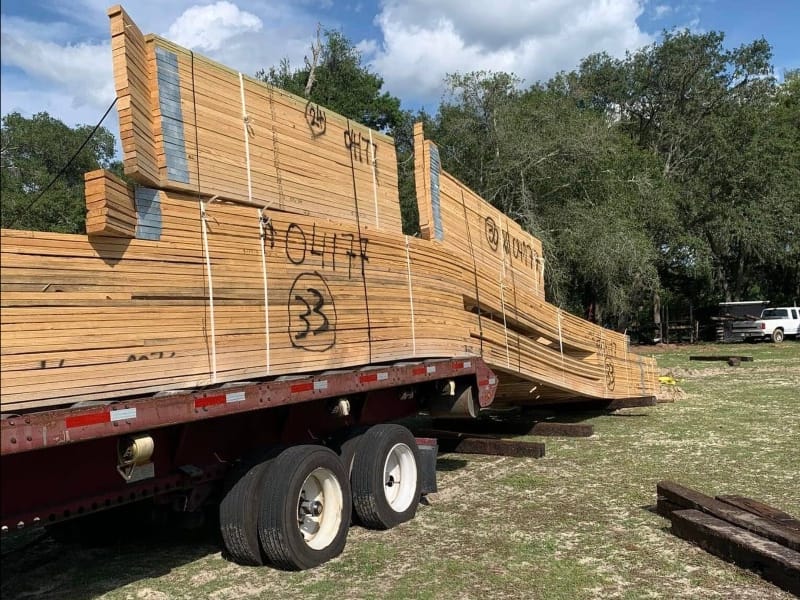
Universal Towing on I-95 Heavy Transport Across Central Florida
At Universal Towing, every I-95 heavy transport call we plan benefits from more than two decades of work along this corridor. From our base in the Daytona Beach area, we handle everything from compact cars to semi rigs, and from underwater recoveries to oversize hauls. Our 24/7 dispatch team knows the corridor, the seasons, and the customers who run it.
If you have an I-95 heavy transport on the calendar or a heavy load that needs to move through Central Florida, our crew is ready to plan the route, file the permits, and run the trip with the weather and the calendar in mind. One call connects you to a team trusted by the Florida Highway Patrol and local agencies for years.
Frequently Asked Questions
How do carriers handle a heavy haul when a hurricane is forecast?
Carriers monitor the National Hurricane Center forecasts daily during the season and adjust trips around the cone of uncertainty. A load scheduled for the window of a forecasted landfall is typically moved earlier or held until after the storm passes. Some routes also close during evacuation orders, which affects timing for several days.
What is contraflow and how does it affect heavy hauls?
Contraflow reverses the direction of one side of an interstate during a hurricane evacuation, sending all lanes outbound away from the coast. During contraflow, heavy haul movement along the affected corridor is usually halted entirely. Carriers stage loads at safe staging areas and resume after the evacuation order lifts.
How are boat or aircraft loads different from standard heavy haul?
Boats and aircraft require trailers built for cradled cargo, often with custom blocking to support the hull or fuselage. Wing dimensions on aircraft sometimes push the load into oversize-width territory even when the body is narrow. Carriers handling these cargo types maintain specific tie-down points and use padding designed for the materials involved.
Can a heavy haul carrier perform underwater recovery?
Some can. Underwater recoveries involve divers, lift bags, and heavy duty winches to retrieve vehicles from canals, ponds, or coastal waters. The work requires specific certifications and equipment that not every carrier maintains. Customers needing this service should ask about underwater recovery capability before scheduling the call.
How do carriers coordinate with state highway patrol on a heavy haul?
State highway patrol provides police escorts for the largest oversize loads, mostly for bridge crossings or moves through metro areas. Carriers contact the relevant state office days in advance to schedule the escort. Cost varies by state, by hours, and by the number of officers required.
How does humidity affect heavy haul scheduling in coastal regions?
Humidity does not change permit hours directly, and it affects equipment performance. Brake systems, engine cooling, and rubber components all behave differently in high humidity. Coastal salt air also accelerates corrosion on chains, straps, and chassis hardware. Carriers in coastal regions inspect this equipment more often than inland fleets.